Mullica Hill has long been one of South Jersey's most coveted communities — and in 2026, it remains a compelling market for real estate investors, even as conditions shift. With a population that has grown over 30% since 2020, a median household income of $131,250, and a school district that consistently drives demand, the fundamentals here are strong. But flipping houses in Mullica Hill isn't a casual endeavor. High property taxes, strict permitting, and a discerning buyer pool mean the difference between a profitable exit and a costly lesson often comes down to preparation.
Whether you're an experienced flipper or considering your first project in the area, this guide will walk you through exactly what the 2026 Mullica Hill market demands — from identifying the right property to closing the sale.
The Mullica Hill Market at a Glance (2026)
Understanding where the market stands today is the foundation of any sound flip strategy.
After the frenzy of 2021–2023, Mullica Hill has transitioned from a seller's stronghold into a balanced, neutral market as of Spring 2026. That doesn't mean opportunity has dried up — it means the rules have changed.
| Metric | Current Data (April 2026) |
|---|---|
| Median Sale Price | $428,900 |
| Average Days on Market | 42–50 days |
| YoY Price Appreciation | -18.5% (correction from 2025 peaks) |
| Inventory Status | Balanced / Neutral Market |
| Sale-to-List Ratio | 98.8% |
The 18.5% year-over-year price correction looks alarming on the surface, but context matters. This isn't a market collapse — it's a recalibration after prices significantly outpaced local wages. Inventory is up over 20% year-over-year, giving buyers more options and more negotiating room than they've had in years. Sellers are still getting close to asking price (98.8%), but the era of waived inspections and 10–15% over-ask bids has largely passed.
For flippers, this shift is actually favorable. Motivated sellers are more negotiable on acquisition price, and buyers — while more cautious — are still willing to pay a significant premium for turn-key, move-in-ready homes.
One structural factor keeps Mullica Hill insulated from deeper corrections: scarcity. Historic preservation standards and limited new-build zoning mean supply will never flood the market the way it might in a typical suburb. Pair that with the Harrison Township School District — which remains the primary driver of property value — and you have a market with a durable floor.
What Makes a Good Flip Candidate in Mullica Hill
Not every distressed property in Mullica Hill is a good flip. The key is identifying the gap between what a property can be acquired for and what it can realistically sell for after renovation — a figure known as After Repair Value (ARV).
Price Ranges Where Flip Margins Are Most Realistic
In 2026, the most viable flip opportunities fall into two distinct brackets:
The Entry-Level Play ($250k–$400k acquisition): Properties acquired below $300,000 are increasingly rare, but they represent the highest potential margins. Older ranch homes and modest 3-bedroom colonials in this range, after $75,000–$100,000 in renovations, typically ARV between $525,000 and $575,000.
The Executive Upgrade ($450k–$550k acquisition): Dated "builder-grade" colonials from the late 1990s present a different kind of opportunity. By modernizing kitchens and primary suites to 2026 luxury standards, these properties can be repositioned into the $750,000+ category.
The Danger Zone ($550k–$650k acquisition): Avoid this range unless you're acquiring a significant distress sale. The ceiling for non-luxury builds in Mullica Hill hovers around $800,000, leaving razor-thin margins that rarely survive unexpected costs.
Property Types That Sell Fastest
The 2026 market shows a clear hierarchy in days on market:
Modernized Colonials move the fastest. A 4-bedroom, 2.5-bath colonial with an open floor plan and finished basement — priced correctly — routinely goes under contract in under 30 days.
Renovated Ranches are chronically undersupplied. Downsizers actively seeking one-level living are a growing segment of the Mullica Hill buyer pool, and a well-executed ranch renovation can generate bidding interest faster than a larger estate.
Pre-1970 Homes carry the most risk. Buyers in 2026 are hypersensitive to deferred maintenance. Homes with aging septic systems, old roofs, and outdated HVAC sit on the market for 60+ days — and often require costly remediation before any cosmetic renovation even begins.
Neighborhoods With the Strongest Resale Values
| Neighborhood | Typical Price Range | Why It Holds Value |
|---|---|---|
| Brookside Farms | $700k – $1M+ | Newer, upscale builds; prestigious "Reserve" section |
| Harrison Estates | $600k – $900k | Large lots (1–3 acres); coveted by executive families |
| Manors at Saratoga | $600k – $850k | Generous lots; proximity to the village core |
| Cider Press Estates | $550k – $700k | Central location; strong resale history |
For maximum equity protection, target listings on Preakness Drive, Ashwood Drive, and Winterwood Lane — streets that consistently command a premium due to their aesthetic uniformity and low through-traffic.
Financing Your Flip
Securing the right financing is where many first-time flippers get tripped up, especially in a high-value market like Mullica Hill.
Hard Money Lending Rates in NJ (April 2026)
Hard money remains the primary vehicle for flippers who need speed and flexibility. In 2026, expect the following from NJ hard money lenders:
- Interest Rates: 9.9%–12.5% for experienced investors; up to 13%–14% for first-timers
- Origination Fees: 1.5–3 points (paid at closing)
- Loan Terms: 6–12 months, typically interest-only during the renovation phase
Loan-to-Value Ratios in Gloucester County
Following the recent 18.5% price correction, lenders in this area are conservative:
- Purchase LTV: 75%–80% of the purchase price
- ARV Cap: Total loan (purchase + rehab) typically capped at 65%–70% of ARV. On a $600,000 ARV property, that means a maximum loan of roughly $420,000.
- Rehab Funding: Many NJ private lenders will fund 100% of renovation costs, held in escrow and released in draws as work is completed.
One advantage worth noting: local portfolio lenders — smaller regional banks familiar with the Harrison Township school district — often offer more flexible fix-and-flip lines of credit to established local LLCs than national hard money firms will.
NJ-Specific Financing Options to Know
NJHMFA Multifamily Programs (UNIAP): If your strategy includes a 2–4 unit property, the New Jersey Housing and Mortgage Finance Agency offers construction and permanent financing with 2026 taxable mini-perm rates around 5.3% — significantly below private money rates.
NJHMFA Down Payment Assistance: Technically a first-time buyer program, but investors who purchase a 2–4 unit property and occupy one unit can access up to $10,000 as a 5-year forgivable loan — preserving cash for the rehab.
NJ Water Bank: For older properties requiring septic-to-sewer conversions or significant stormwater infrastructure, the NJ Water Bank provides low-interest loans that can make an otherwise marginal project viable.
Renovation Priorities for Mullica Hill Buyers
Mullica Hill buyers in 2026 are high-earning, detail-oriented, and unforgiving of shortcuts. The dominant buyer profile — established families moving from Cherry Hill, North Jersey, or Philadelphia suburbs — has seen enough homes to spot a cheap renovation immediately. Your goal is to deliver turn-key luxury at an efficient cost.
What Today's Buyers Actually Want
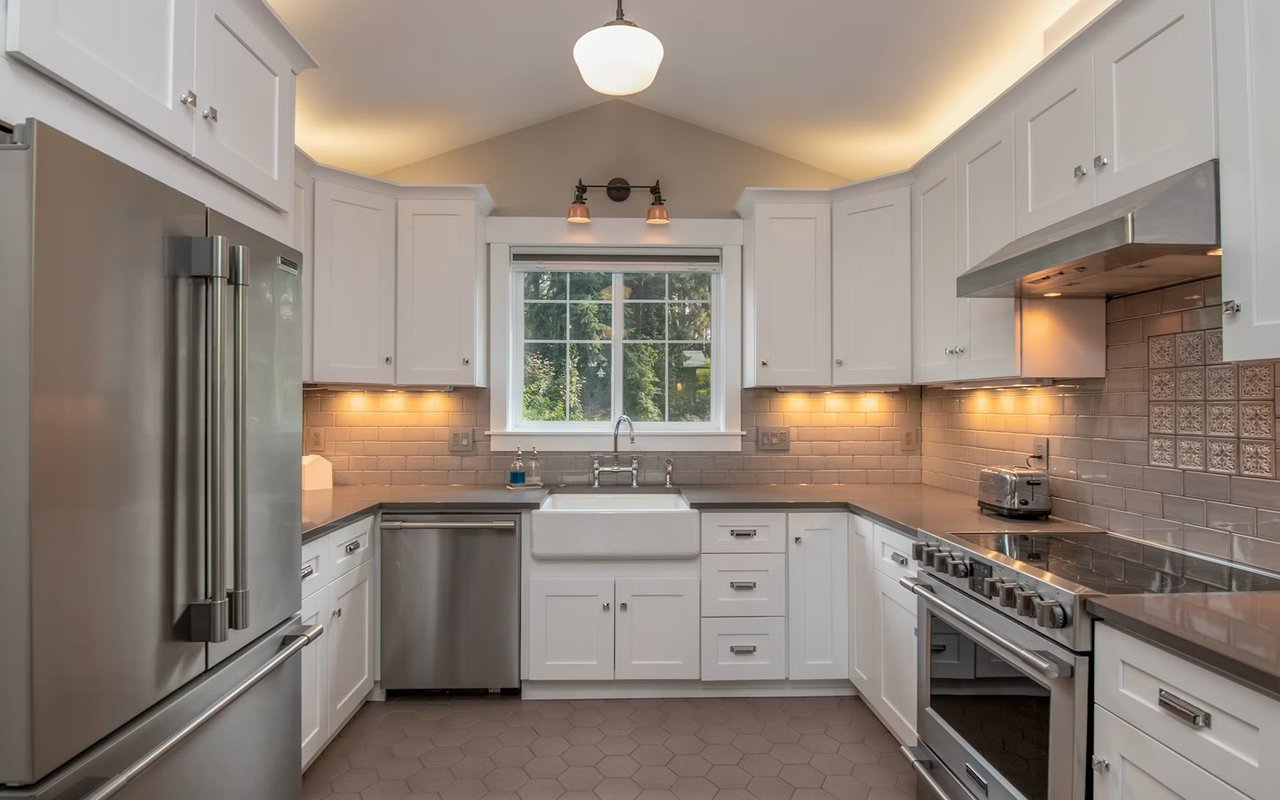
The Social Kitchen: An oversized island with seating for 4+, a walk-in pantry, and a smart stainless steel appliance suite are baseline expectations. Open-concept flow from the kitchen to the family room is non-negotiable for 90% of buyers.
Outdoor Living Rooms: Post-pandemic demand for outdoor entertaining has not cooled. High-quality composite decking (such as Trex), built-in fire pits, and professional landscaping are major differentiators.
The Work-From-Home Suite: With roughly 24% of the population working remotely, a dedicated, soundproofed home office often takes priority over a fifth bedroom. A "Zoom-ready" space is a genuine line item in buyer decision-making.
Mechanical Confidence: Buyers are acutely aware that much of Mullica Hill's housing stock was built in the 1990s. A home advertising a new roof, HVAC, and septic certification removes anxiety and accelerates decisions.
Average Renovation Costs in South Jersey (2026)
NJ labor and permit costs run 15%–25% above national averages. Budget accordingly.
| Project | Cosmetic | Mid-Range | Upscale |
|---|---|---|---|
| Kitchen | $15,000–$25,000 | $35,000–$70,000 | $85,000–$140,000+ |
| Full Bathroom | $8,000–$12,000 | $15,000–$25,000 | $35,000–$65,000 |
| Powder Room | $3,500–$5,000 | $6,000–$8,500 | $10,000+ |
Labor typically accounts for 40%–55% of your total renovation budget. Permit fees in Harrison Township range from $500 to $2,500 depending on the scope of electrical and plumbing work.
A critical rule of thumb: Don't over-improve for the neighborhood. In Cider Press Estates, mid-range upgrades are sufficient. In Brookside Farms or Harrison Estates, buyers expect upscale finishes — quartz countertops, custom cabinetry, and designer tile are baseline, not a bonus.
Upgrades With the Highest ROI
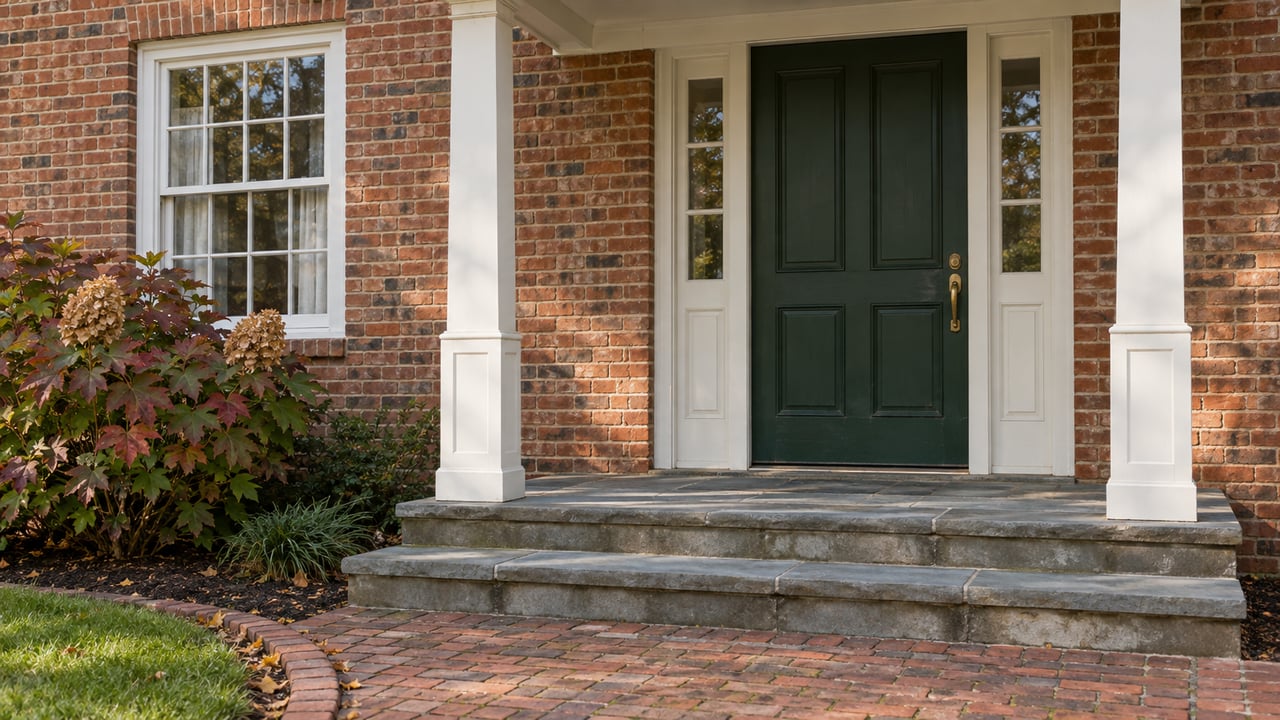
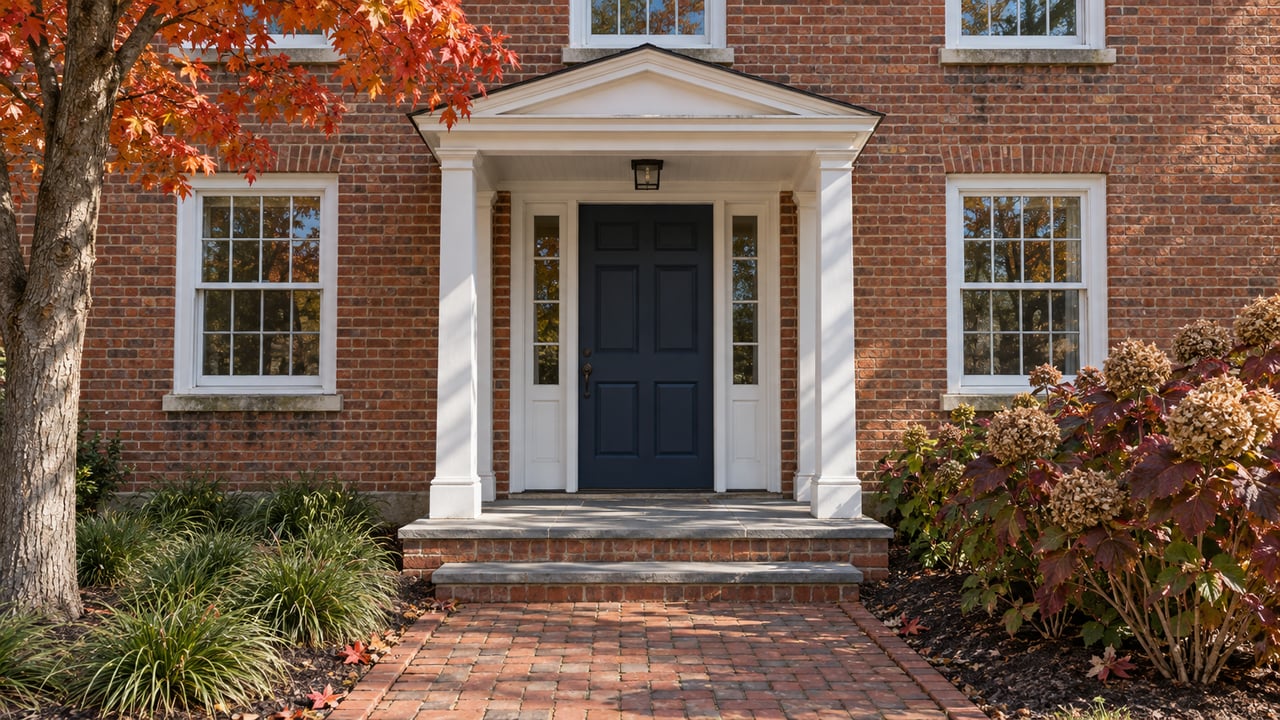
Curb Appeal: Garage door and front door replacements consistently rank as the #1 ROI project in residential real estate. A modern insulated garage door and a high-end fiberglass entry door can recoup over 100% of their cost at resale. Adding manufactured stone veneer to the front facade of a vinyl-sided colonial significantly boosts perceived value.
The Primary Suite: Converting a dated tub/shower combo into a walk-in glass-enclosed shower with bench seating has strong emotional impact. Adding a second vanity to a single-sink master bath is one of the most cost-effective marketability improvements available.
Flooring and Paint: Buyers in 2026 are wary of carpet in common areas. Consistent luxury vinyl plank or hardwood throughout the first floor makes a home feel larger and more cohesive. Neutral warm tones — soft whites, greige, with crisp white trim — are the current standard for listing photography.
Energy Efficiency: Smart thermostats and LED lighting are low-cost upgrades that signal "updated" and reduce buyer anxiety about future utility costs.
Understanding ARV and Setting Your Budget
Getting your numbers right before you close on acquisition is the single most important step in any flip.
Recent Comparable Sales in Mullica Hill (Early 2026)
| Address | Sale Date | Price | Specs | Type |
|---|---|---|---|---|
| 244 Iris Rd | Dec 2025 | $150,000 | 3BR/2BA, 1,165 sq ft | Deep Value / Fixer |
| 22 Lincoln Mill Rd | March 2026 | $300,000 | 3BR/2BA, 2,473 sq ft | Target Fixer |
| 347 Moods Rd | March 2026 | $425,000 | 4BR/2BA, 1,632 sq ft | Mid-Tier Flip |
| 412 Harvest Mill Way | April 2026 | $705,000 | 4BR/4BA, 3,495 sq ft | Turn-Key Resale |
| 185 Woodland Ave | March 2026 | $970,000 | 4BR/4BA, 4,979 sq ft | Luxury Resale |
The "flip gap" in Mullica Hill is clear: properties acquired in the $150,000–$315,000 range are regularly re-listing six months later in the $500,000–$650,000 range after targeted renovations.
Typical Profit Margins for Mullica Hill Flips (2026)
Margins have tightened as both acquisition costs and labor remain elevated:
- Average Gross Profit: $62,000–$66,000 per flip
- Gross ROI: 23%–25.5% (before rehab, carrying costs, and commissions)
- Net Walk-Away Profit: $35,000–$50,000 after 2026 labor rates and hard money interest
Carrying Costs You Cannot Ignore
New Jersey has among the highest carrying costs in the country, and Mullica Hill is no exception.
Property Taxes: Harrison Township's 2025/2026 tax rate is approximately 3.3%. On a property assessed at $400,000, that's $13,200 annually — or $1,100 per month. This is a fixed burn rate that starts the day you close and doesn't stop until you sell.
Builder's Risk Insurance: Standard homeowner policies don't cover vacant homes under renovation. A builder's risk policy in NJ typically runs 1%–4% of the total construction budget, with premiums for a standard Mullica Hill flip landing between $800 and $1,500 for a 6-month term.
Utilities and Maintenance: Between taxes, insurance, utilities, and basic upkeep, expect $1,800–$2,400 per month in carrying costs on an average $500,000 ARV project.
The timeline reality: The average purchase-to-resale timeline in 2025/2026 is 163 days. Budget for at least 6 months of carrying costs in your pro forma — and build in a cushion. The 3.3% property tax rate is the most common variable that eliminates a flip's profit buffer for investors who underestimate it.
Selling the Flip: What Mullica Hill Buyers Want
A great renovation only gets you to the starting line. How you present and price the home determines whether you exit with a strong profit or sit on the market watching your carrying costs compound.
Know Your Buyer
Mullica Hill's buyer pool in 2026 breaks into three primary groups:
Move-Up Families are the dominant demographic — households earning $131,250+ relocating from Cherry Hill, North Jersey, or Philadelphia suburbs for Harrison Township schools and larger lots. They are value-conscious but willing to pay for quality.
High-Income Commuters are drawn by Philadelphia's 25–30 minute proximity and Wilmington's accessibility. With 24% of the population working from home, they prioritize connectivity and dedicated office space over square footage alone.
Active Adult Downsizers are a growing and underserved segment. Many are selling larger Mullica Hill estates and want to remain in the community. Renovated ranches with low-maintenance, high-end finishes are especially attractive to this buyer.
Addressing the Most Common Buyer Objections
Property tax anxiety is real. At 3.3%, the monthly all-in cost on a $600,000 home is significant. The way to counter this: make the home so turn-key that the value is undeniable. If systems are new, finishes are sharp, and nothing needs to be touched, buyers mentally offset the tax burden.
Outdated systems will trigger immediate price reduction requests. A 20-year-old roof, original HVAC, or a septic system without a recent inspection creates doubt that derails negotiations. Address these proactively — and market the upgrades explicitly.
Lack of outdoor space is a dealbreaker for the family buyer. A basic wood deck is no longer enough. If the budget allows, a composite deck, professional landscaping, and even a simple fire pit area can be the feature that pushes a buyer from interest to offer.
Staging: Not Optional at This Price Point
In Mullica Hill, staging is not a nice-to-have — it's a line item in your budget.
Staged homes in South Jersey currently sell up to 73% faster than vacant properties. In a market where carrying costs exceed $2,000 per month, saving two months on market is worth far more than staging costs. On average, professionally staged homes in this region command a 5%–10% sale price premium over vacant listings. On a $600,000 resale, that's a $30,000–$60,000 return on a roughly $3,000 investment.
If budget is tight, prioritize staging the living room, primary suite, and kitchen/dining area. These three spaces carry the greatest emotional weight in a buyer's decision.
Legal and Permit Considerations in Harrison Township
Flipping in Mullica Hill requires more bureaucratic awareness than most markets. Harrison Township enforces New Jersey's Uniform Construction Code strictly, and the township's commitment to its historic character adds an additional layer of scrutiny.
Certificate of Continued Occupancy (CCO): Unlike many states, Mullica Hill requires a CCO inspection before title can transfer. Inspectors check for basic safety compliance, fire code adherence, and any unpermitted work completed by previous owners — including finished basements.
Historic District Constraints: If your flip is near the Main Street/Historic Village core, exterior changes — including colors, windows, and siding — require approval from the Historic Preservation Commission. Most experienced local investors specifically target properties outside this zone to avoid delays.
The Septic Hurdle: Most of Mullica Hill runs on private septic, and NJ law requires an inspection at every sale. A failed system means a $25,000–$45,000 replacement cost. Never acquire a fixer in this market without a pre-purchase "open hole" septic inspection.
Tree Removal: Harrison Township is protective of its tree canopy. Removing large trees — even for a pool or addition — requires a permit and may carry replanting requirements or a tree compensation fee.
Licensed Contractors Only: NJ law requires that investment properties held in an LLC use licensed contractors for all plumbing, electrical, and HVAC work. Harrison Township inspectors verify licensed seals on permit applications.
Frequently Asked Questions
Should I buy a property with a solar lease? Generally, no — especially for a flip. Mullica Hill buyers tend to view an assumed solar lease as an unwanted financial obligation. If you acquire a home with a leased system, try to negotiate a lease buyout as part of the purchase terms. An owned system, however, can add to ARV.
Do I need to finish the basement to hit my ARV? In most cases, yes — for colonials targeting the family buyer segment. A finished basement functions as a tie-breaker in a competitive market and is often expected in the $600,000+ range. The exception is ranches targeted at downsizers, where kitchen and primary bath investment yields higher returns.
Can I appeal my property tax assessment during the flip? Technically yes, but it's rarely worth the legal fees on a 6-month hold. Instead, treat the 3.3% rate as a fixed carrying cost and budget $1,100 per month per $400,000 of assessed value from day one.
What about the septic-to-sewer opportunity? Always check with the Harrison Township Municipal Utilities Authority about scheduled sewer expansion. If a street is slated for a sewer hookup within 24 months, it can meaningfully boost the resale value of a property currently on a marginal septic system — and may justify a higher acquisition price.
Ready to Buy or Sell in Mullica Hill?
Whether you're an investor looking to identify your next flip or a homeowner ready to sell, having a local expert in your corner makes a measurable difference in outcome.
Pat Settar and The Pat Settar Team have called Mullica Hill home for over 31 years. Pat and her husband Mike raised their three daughters here, and Pat remains deeply embedded in the community — serving as Chair of the Harrison Township Beautification Committee, a supporter of the Harrison Township Historical Society, and a sponsor of annual events like Harrison Township Day and Lights on Main.
That local knowledge translates directly to results. The Pat Settar Team holds a 5-star rating on Zillow and has been recognized among the Top ½% in the BHHS Network and a Top Producer by Philly Magazine — accolades built on deep market expertise and a genuine commitment to client outcomes.
Get in touch: 📧 [email protected] 📞 (856) 297-5790 📍 157 Bridgeton Pike, Mullica Hill, NJ 08062